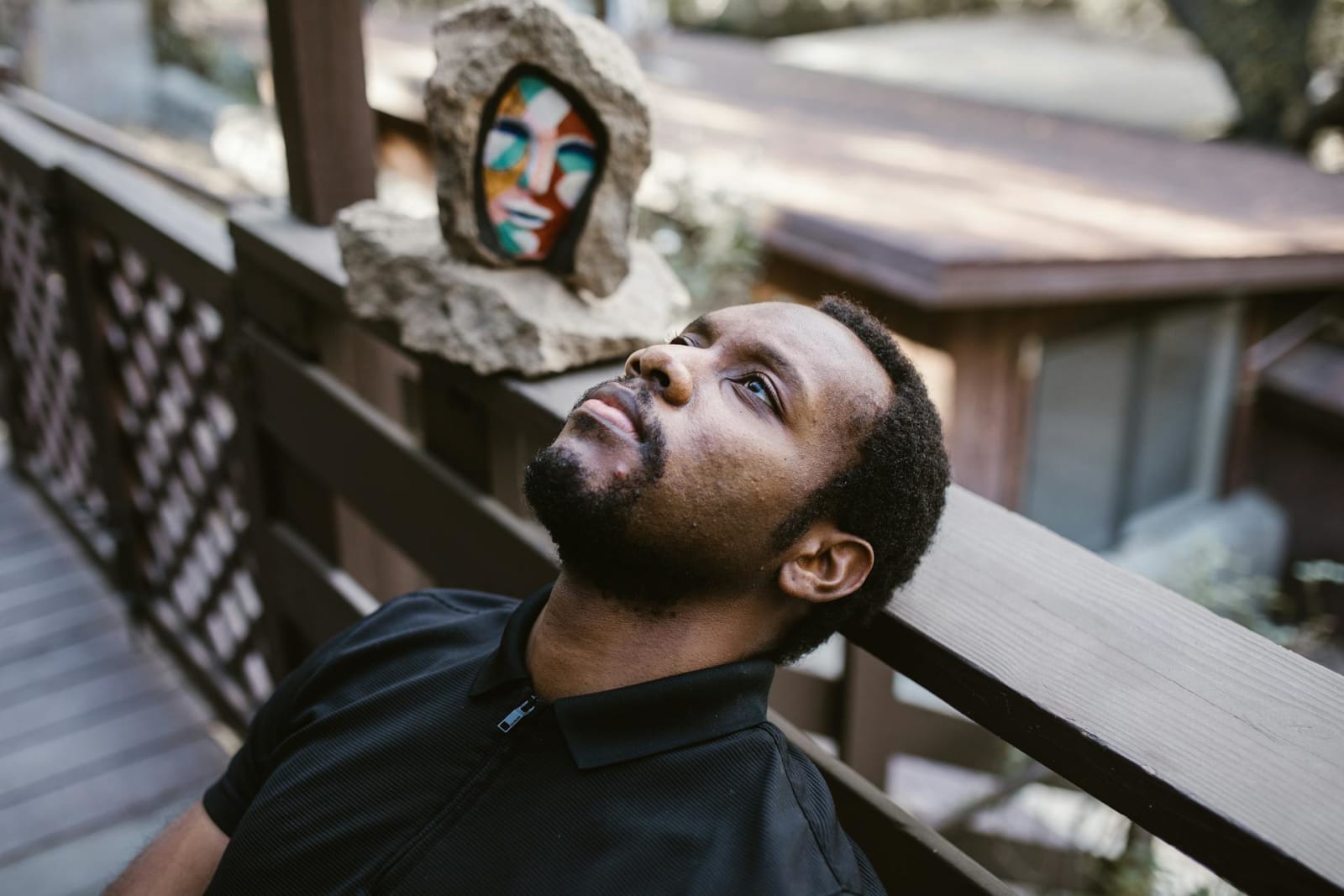
In a world that constantly pulls our attention in a dozen directions, mindfulness offers something quietly radical: the ability to be fully present. Not more productive, not more optimised—just more aware of what’s happening right now.
Mindfulness isn’t about escaping life or emptying your mind. It’s about learning how to show up for your own experience, moment by moment, with curiosity rather than judgement. And in doing so, it often changes how we relate to stress, thoughts, emotions, and even ourselves.
What is mindfulness, really?
At its core, mindfulness is the practice of paying attention—on purpose, in the present moment, without judgement.
That might sound simple, but it’s surprisingly challenging. Our minds naturally wander to the past (“Why did I say that?”) or the future (“What if this goes wrong?”). Mindfulness gently trains us to notice when that happens and return our attention to what’s happening now: our breath, our body, our surroundings.
It’s not about forcing calm or positivity. Some moments are pleasant, some are uncomfortable. Mindfulness teaches us to notice both without immediately trying to fix, suppress, or escape them.
Why mindfulness matters
When we’re not present, much of life passes by on autopilot. We eat without tasting, listen without hearing, and live inside our thoughts rather than our experiences.
Practising mindfulness can help:
- Reduce stress and anxiety by interrupting constant rumination
- Improve focus and clarity in daily tasks
- Strengthen emotional regulation and resilience
- Deepen relationships through more attentive listening
- Increase self-awareness and compassion
Scientific research has shown that regular mindfulness practice can positively impact mental health, sleep, and even physical well-being. But beyond studies, many people notice something simpler: life feels a little less overwhelming.
Mindfulness is not just meditation
While meditation is a powerful mindfulness tool, mindfulness itself isn’t limited to sitting quietly on a cushion. It can be practised during everyday activities:
- Mindful eating: noticing flavours, textures, and hunger cues
- Mindful walking: feeling your feet meet the ground
- Mindful listening: giving someone your full attention without planning your response
- Mindful breathing: taking a few conscious breaths before reacting These moments don’t require extra time—just intention.
The role of acceptance
One of the most misunderstood aspects of mindfulness is acceptance. Accepting a moment doesn’t mean liking it or giving up. It means acknowledging reality as it is before deciding what to do next.
For example, noticing “I’m feeling anxious right now” without immediately judging yourself or trying to push the feeling away can actually reduce its intensity. Resistance often adds an extra layer of suffering; awareness creates space.
Starting a simple mindfulness practice
If you’re new to mindfulness, start small. Even one or two minutes a day can make a difference.
Try this:
- Sit comfortably and close your eyes or soften your gaze
- Bring your attention to your breath
- Notice the sensation of breathing—in your nose, chest, or belly
- When your mind wanders (and it will), gently bring it back to the breath
There’s no “failing” at mindfulness. Noticing that your mind wandered is the practice.
Mindfulness in a busy life
You don’t need a perfectly calm environment or a quiet mind to practice mindfulness. In fact, mindfulness is often most useful in messy, busy, imperfect moments—while stuck in traffic, during a difficult conversation, or when emotions run high.
Over time, mindfulness doesn’t remove life’s challenges, but it can change how you meet them. Instead of reacting automatically, you gain a pause—a chance to respond with more awareness and choice.
A practice, not a destination
Mindfulness isn’t something you achieve once and keep forever. It’s an ongoing practice, like strengthening a muscle. Some days it feels natural; other days it feels difficult. Both are part of the process.
Ultimately, mindfulness invites us back to our own lives—not as they should be, but as they are right now.
And right now is the only place life ever happens.